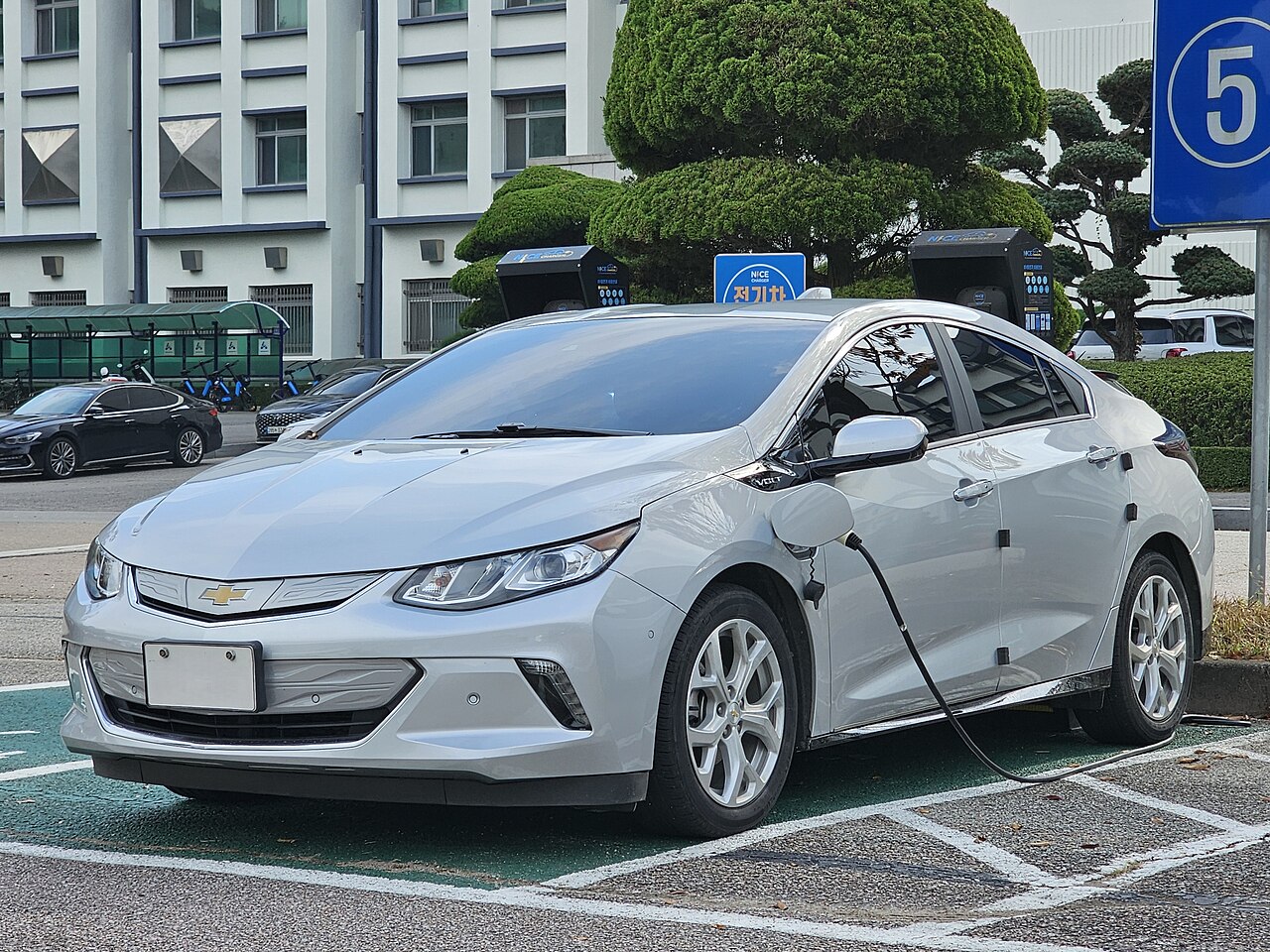
Extended-Range EVs could potentially solve India’s charging problem, offering a practical alternative for electric vehicle users. With the increasing demand for EVs, addressing charging infrastructure is crucial.
Understanding Extended-Range EVs
Extended-range electric vehicles (EVs) are rapidly gaining attention as a viable solution to address India’s growing charging infrastructure challenges. These innovative vehicles are designed to operate primarily on electric power, but they also incorporate a small internal combustion engine that can generate additional electricity when the battery is depleted.
This dual system offers several advantages for Indian consumers:
- Increased Range: Extended-range EVs can travel further than standard EVs, alleviating range anxiety among drivers.
- Flexibility: The internal combustion engine provides a reliable backup, ensuring that drivers can reach their destinations without worrying about charging stations.
- Environmental Benefits: While they use fossil fuels, extended-range EVs still produce lower emissions compared to traditional vehicles.
The potential for these vehicles to integrate into India’s transport ecosystem is significant. As charging infrastructure continues to evolve, extended-range EVs may serve as a bridge, allowing more consumers to transition to electric mobility without the fear of being stranded. Thus, they represent a promising step towards a sustainable and practical solution for India’s charging woes.
Current Charging Challenges in India
India’s rapid transition to electric vehicles has been hindered by several charging challenges that impact consumer confidence and the overall adoption of EVs. As the country strives to reduce its carbon footprint, the need for a reliable and widespread charging infrastructure has become increasingly urgent.
One of the primary issues is the limited availability of charging stations, particularly in rural and semi-urban areas. Many potential EV owners are hesitant to make the switch due to concerns about finding a charging point when needed. Additionally, the current charging networks often suffer from long wait times and inconsistent power supply, further complicating the situation.
Another significant challenge is the range anxiety faced by consumers. While traditional electric vehicles may require frequent recharging, Extended-Range EVs offer a solution by combining electric power with a backup fuel source. This feature allows drivers to travel longer distances without the constant worry of running out of charge.
Moreover, the lack of standardized charging systems means that users must navigate various connectors and payment systems, adding to the confusion. These obstacles must be addressed to ensure a smoother transition to electric mobility in India.
How Extended-Range EVs Can Help
Extended-Range EVs offer a practical solution to India’s pressing charging infrastructure challenges. These vehicles are designed to operate primarily on electric power while incorporating a small internal combustion engine that acts as a generator when the battery runs low. This unique design provides several benefits:
- Reduced Range Anxiety: With the ability to switch to gasoline, drivers can travel longer distances without worrying about finding a charging station.
- Flexible Usage: Extended-Range EVs can be particularly advantageous in rural areas or regions where charging stations are scarce, making them ideal for a diverse range of consumers.
- Promoting EV Adoption: As more people become aware of the advantages of Extended-Range EVs, the transition from traditional vehicles to electric ones can accelerate, leading to a significant reduction in emissions.
- Support for Charging Infrastructure Development: With the growing adoption of Extended-Range EVs, there will be increased demand for charging stations, encouraging investment in infrastructure improvements.
In conclusion, Extended-Range EVs represent a smart solution to India’s charging woes, bridging the gap between traditional vehicles and fully electric options while enhancing convenience for drivers across the country.
Benefits of Extended-Range EV Technology
Extended-range EVs offer a multitude of benefits that address the pressing challenges faced by electric vehicle users in India. These vehicles are designed to operate primarily on electric power while incorporating a gasoline engine that serves as a backup, providing a safety net for drivers who may encounter charging limitations.
One of the primary advantages of extended-range EVs is their increased driving range. Unlike traditional EVs, which require frequent recharging, extended-range models allow drivers to travel longer distances without the anxiety of running out of battery. This feature is particularly beneficial in a country like India, where charging infrastructure is still developing.
Additionally, extended-range EVs can help reduce urban congestion and pollution levels. By encouraging more drivers to switch to electric modes of transport without the fear of being stranded, these vehicles promote a cleaner environment.
Moreover, the convenience of having a gasoline backup means that users can make long trips confidently, further broadening the appeal of electric vehicles. As India continues to seek solutions to its charging woes, extended-range EV technology stands out as a smart option that combines efficiency, flexibility, and environmental benefits.
Future of Electric Vehicles in India
The future of electric vehicles in India is poised for transformation, particularly with the rise of Extended-Range EVs. As the nation grapples with inadequate charging infrastructure, these vehicles present a viable solution to enhance the adoption of electric mobility.
Extended-Range EVs combine traditional internal combustion engines with electric powertrains, allowing for greater flexibility and reduced range anxiety. This hybrid approach ensures that users can travel longer distances without the constant worry of finding a charging station.
Experts predict that as the market for Extended-Range EVs expands, several key developments will shape the industry:
- Infrastructure Growth: Investment in charging stations and facilities will likely increase, driven by government initiatives and private sector partnerships.
- Technology Advancements: Continuous improvements in battery technology will enhance the performance and efficiency of Extended-Range EVs.
- Consumer Awareness: Education campaigns will inform potential buyers about the benefits and capabilities of Extended-Range EVs, reducing misconceptions.
Overall, the synergy between Extended-Range EV technology and infrastructure development is essential for a sustainable electric vehicle ecosystem in India, paving the way for a greener future.
via Wikimedia Commons