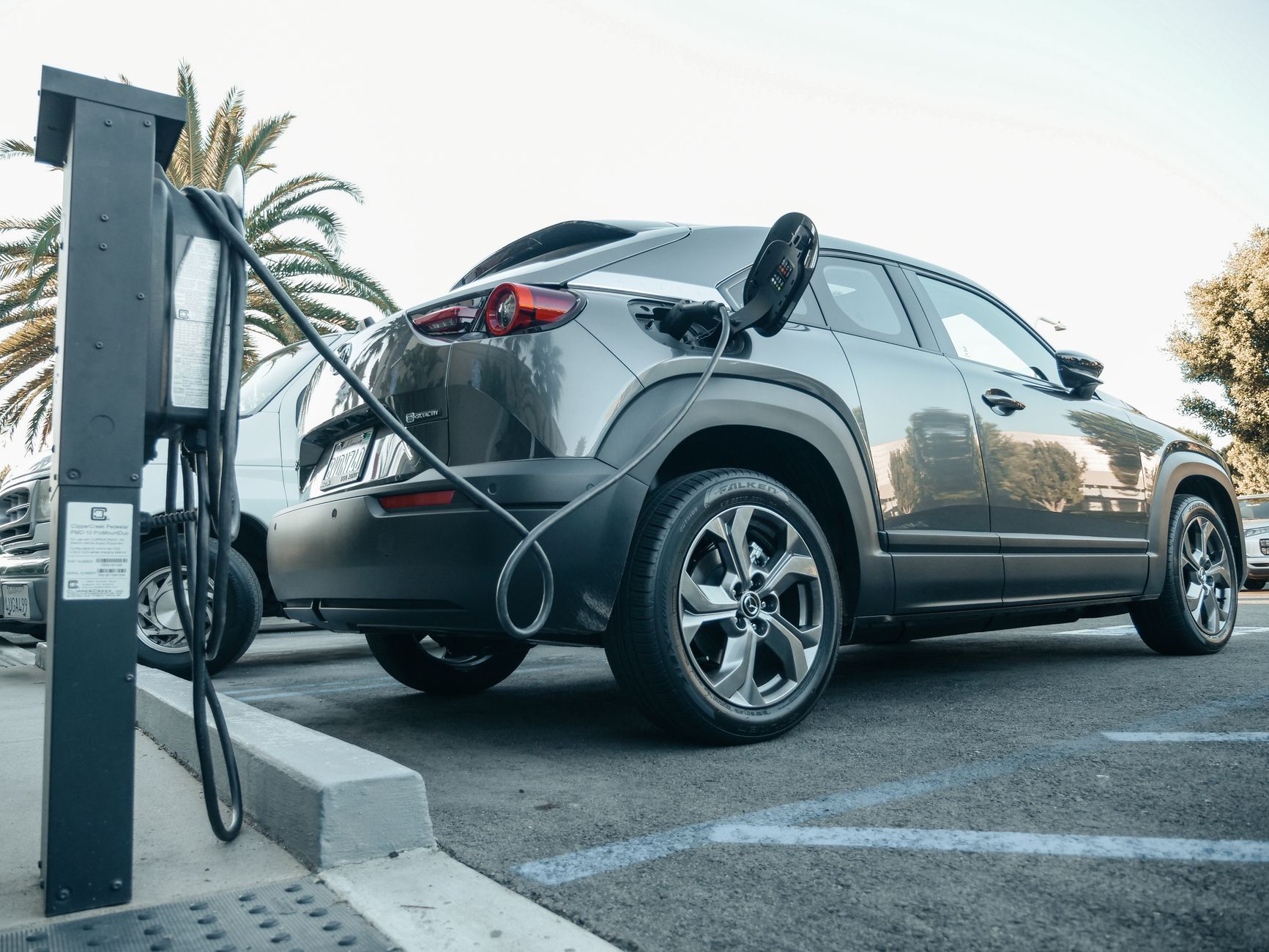
The EV charging network is expanding significantly, with HPCL announcing 5,981 facilities, including 176 battery-swapping stations. This move aims to improve the infrastructure for electric vehicles across the country.
Overview of HPCL’s EV Charging Network Expansion
HPCL has made significant strides in enhancing its EV charging network, recently announcing the expansion to a total of 5,981 facilities across the country. This ambitious initiative includes the establishment of 176 battery-swapping stations, which aim to address the growing demand for efficient electric vehicle charging solutions.
The expansion is designed to cater to both urban and rural areas, ensuring that EV users have access to reliable charging infrastructure regardless of their location. HPCL’s commitment to promoting electric mobility aligns with the government’s vision for a greener future and the reduction of carbon emissions.
With the increase in charging stations, drivers can expect improved convenience and accessibility, which may encourage a shift towards electric vehicles. This move not only supports EV adoption but also positions HPCL as a leader in the transition to sustainable energy solutions.
As the EV charging network continues to grow, it remains essential for consumers to consider the implications of this expansion on their driving habits and overall energy consumption.
Benefits of Battery-Swapping Stations
The expansion of the EV charging network includes the introduction of battery-swapping stations, which offer several notable benefits for electric vehicle users.
These battery-swapping stations provide:
- Reduced Downtime: Drivers can quickly exchange their depleted battery for a fully charged one, significantly cutting down the time spent waiting for a charge.
- Cost Efficiency: Users can opt for battery leasing instead of purchasing a battery, lowering the upfront cost of electric vehicle ownership.
- Increased Accessibility: Battery-swapping stations enhance the overall accessibility of the EV charging network, particularly in urban areas where space for traditional charging points may be limited.
- Longer Vehicle Lifespan: Regular battery maintenance and upgrades at swapping stations can lead to better battery performance, thus extending the lifespan of electric vehicles.
As HPCL expands its EV charging network, integrating battery-swapping technology represents a forward-thinking approach to addressing the needs of electric vehicle users.
How Will This Impact Electric Vehicle Adoption?
The recent expansion of the EV charging network by HPCL is poised to significantly influence electric vehicle adoption across the country. With over 5,900 facilities now offering charging options, consumers are likely to feel more confident in making the switch to electric vehicles.
One of the primary concerns for potential EV owners has been the availability of charging infrastructure. The enhanced network aims to alleviate these worries by providing easy access to charging stations, ensuring that drivers are not left stranded without power.
Moreover, the inclusion of 176 battery-swapping stations offers a practical solution for those who require quick turnaround times. This innovation allows drivers to replace depleted batteries with fully charged ones in a matter of minutes, further reducing range anxiety.
As more charging points become available, the overall convenience of owning an electric vehicle increases, which could lead to a surge in adoption rates. Thus, the expansion of the EV charging network is not just a logistical improvement but a crucial step towards a more sustainable future.
Future of EV Infrastructure in India
The future of the EV charging network in India looks promising as the demand for electric vehicles continues to rise. With HPCL’s recent expansion of their network to 5,981 facilities, including 176 battery-swapping stations, a significant step has been taken towards enhancing the infrastructure required for sustainable transportation.
Key factors influencing the future of EV infrastructure include:
- Government Initiatives: Supportive policies and incentives from the government can accelerate the growth of the EV charging network.
- Technological Advancements: Innovations in charging technology and battery efficiency will play a crucial role in attracting more users to electric vehicles.
- Public Awareness: Increasing consumer awareness about the benefits of electric vehicles will drive demand and, consequently, the necessity for a robust EV charging network.
- Partnerships: Collaboration between public and private sectors can lead to more widespread and accessible charging stations.
As India gears towards a greener future, the expansion of the EV charging network is not just an investment in infrastructure, but a commitment to sustainable mobility.
Photo by Kindel Media on Pexels