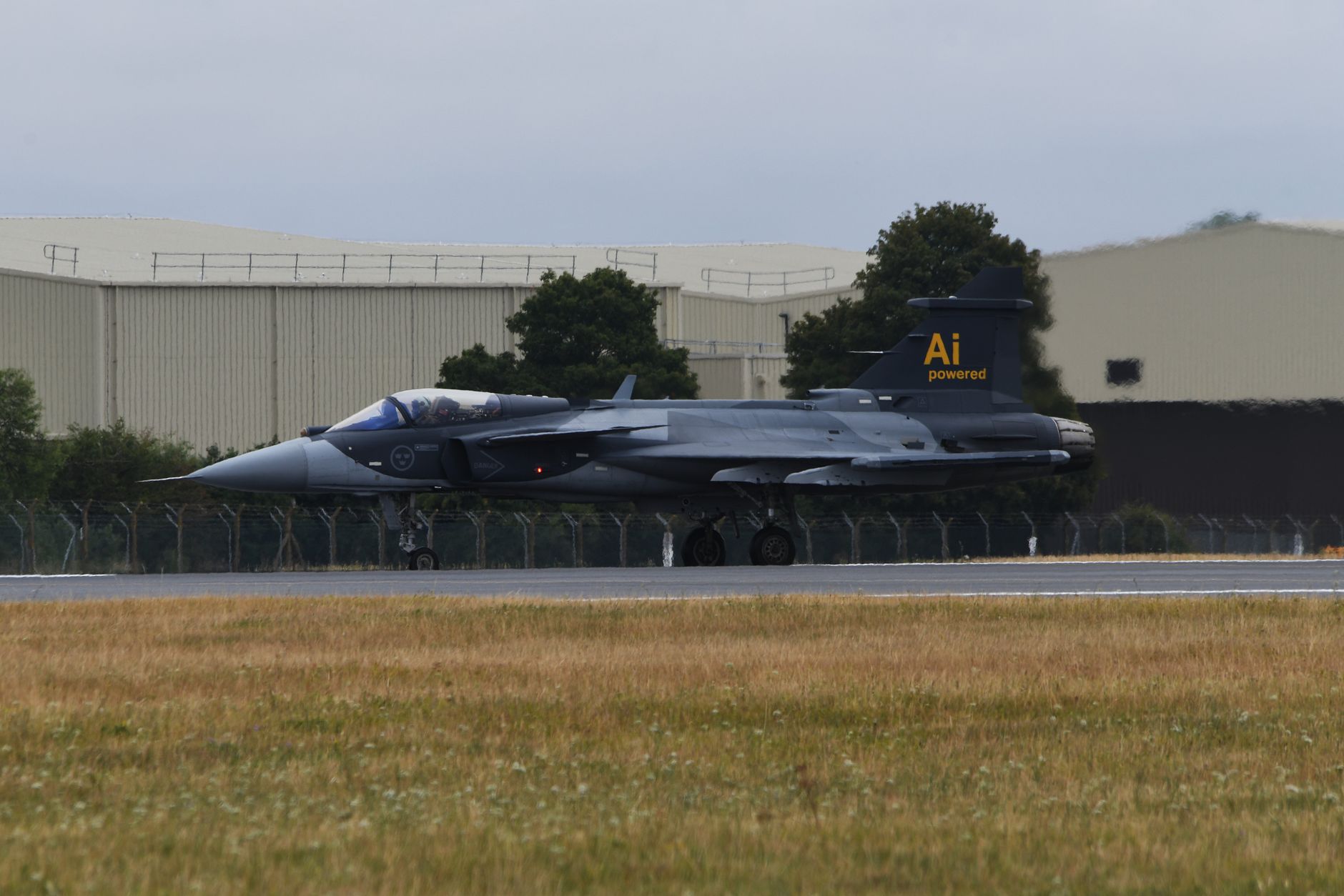
AI-piloted fighter aircraft are set to change the landscape of modern warfare. The latest prototype unveiled by Flying Wedge Defence showcases cutting-edge technology and capabilities that promise to enhance aerial combat.
Introduction to AI-Piloted Fighter Aircraft
In a groundbreaking development within the aerospace industry, Flying Wedge Defence has unveiled its latest innovation: the AI-piloted fighter aircraft. This smart prototype is designed to revolutionize how military operations are conducted, leveraging cutting-edge technology to enhance aerial combat capabilities.
The AI-piloted fighter aircraft is equipped with advanced algorithms that allow it to perform complex maneuvers and make real-time decisions, significantly reducing the workload on human pilots. This innovation promises not only improved efficiency but also increased safety in high-stakes environments.
As military forces around the globe seek to modernize their fleets, the integration of artificial intelligence into fighter jets is becoming increasingly vital. With the potential to adapt to evolving combat scenarios, the AI-piloted fighter aircraft stands as a testament to the future of air warfare, where speed, agility, and intelligence converge.
- Enhanced decision-making capabilities
- Increased safety for pilots
- Adaptability in diverse combat situations
The Technology Behind the Prototype
The development of AI-piloted fighter aircraft represents a significant leap in military technology, showcasing advanced systems that enhance operational capabilities. At the core of this prototype are sophisticated algorithms that allow for real-time decision-making in combat scenarios.
The technology behind the AI-piloted fighter aircraft includes:
- Machine Learning: Algorithms that enable the aircraft to learn from previous missions and adapt to various combat situations.
- Sensor Fusion: Integration of data from multiple sources, providing a comprehensive view of the battlefield.
- Autonomous Navigation: Advanced systems that allow the aircraft to navigate independently, reducing the risk to human pilots.
- Predictive Analytics: Tools that analyze potential threats and suggest tactical responses before they arise.
This cutting-edge technology emphasizes the potential of AI in modern warfare, paving the way for smarter, more efficient air combat solutions.
Benefits of AI in Military Aviation
The integration of AI in military aviation brings numerous advantages that could revolutionize aerial combat. One of the primary benefits of AI-piloted fighter aircraft is enhanced decision-making capabilities. These advanced systems can analyze vast amounts of data in real-time, allowing for quicker responses to threats and more effective engagement strategies.
Additionally, AI-piloted fighter aircraft can reduce the risk to human pilots by undertaking missions in high-risk environments. This capability not only preserves lives but also allows for more daring operations that might otherwise be deemed too dangerous.
Moreover, the efficiency of these aircraft can lead to significant cost savings in terms of maintenance and operational expenses. With the ability to perform complex maneuvers and adapt to changing scenarios autonomously, AI-piloted fighter aircraft represent a significant leap forward in military technology.
Ultimately, the deployment of such aircraft could reshape the future of aerial warfare.
Comparing Traditional vs AI-Piloted Fighters
As defense technology evolves, a clear distinction emerges between traditional fighter aircraft and the new generation of AI-piloted fighter aircraft. Traditional fighters rely heavily on human pilots who make critical decisions in real-time, often under immense pressure. This human element, while invaluable, can also introduce the potential for error.
In contrast, AI-piloted fighters leverage advanced algorithms and machine learning to analyze vast amounts of data and respond to threats with remarkable speed and precision. The key differences include:
- Reaction Time: AI systems can process information and execute maneuvers faster than a human pilot.
- Data Analysis: AI’s ability to analyze enemy movements and predict outcomes can enhance tactical advantages.
- Risk Mitigation: Deploying AI-piloted fighter aircraft reduces the risk to human life in high-stakes combat situations.
This shift represents a significant leap forward in military aviation, promising enhanced capabilities and strategic superiority.
Future of Combat Aviation
The future of combat aviation is poised for a significant transformation with the introduction of AI-piloted fighter aircraft. As military forces around the globe embrace advanced technologies, these innovative prototypes promise to reshape aerial combat strategies.
One key aspect of this evolution is the integration of autonomous decision-making capabilities, allowing aircraft to react to threats with unparalleled speed and precision. This not only enhances operational efficiency but also reduces the risk to human pilots in high-stakes environments.
Moreover, AI-piloted fighter aircraft are designed to work seamlessly with existing military systems, facilitating a more cohesive defense strategy. The potential for real-time data analysis and adaptive tactics could give nations utilizing these technologies a significant edge in future conflicts.
As nations invest in research and development, the implications of AI in military aviation will continue to unfold, paving the way for smarter, more effective combat solutions.
Expert Opinions on the New Prototype
Experts in military aviation have expressed mixed views on the newly unveiled AI-piloted fighter aircraft prototype by Flying Wedge Defence. Some see it as a groundbreaking advancement, while others raise concerns about the implications of autonomous systems in combat.
Dr. Emily Carter, a leading aerospace engineer, stated, “The AI-piloted fighter aircraft represents a significant leap in technology, potentially enhancing operational efficiency while reducing human error in critical situations.”
Conversely, General Mark Thompson, a retired military strategist, warned, “Relying heavily on AI in combat could lead to unpredictable outcomes. The ethical implications and the need for human oversight are paramount.”
As discussions continue, the balance between innovation and safety remains a focal point among military analysts. The future of combat aviation may well depend on how these concerns are addressed in the deployment of AI-piloted fighters.
Challenges in AI-Piloting Technology
The development of AI-piloted fighter aircraft presents several challenges that need to be addressed for successful deployment in military aviation. One significant concern is the reliability of AI systems in high-pressure combat scenarios. Ensuring that these systems can make split-second decisions while maintaining safety is crucial.
Moreover, cybersecurity is a major issue, as AI systems could be vulnerable to hacking or electronic interference, potentially compromising mission effectiveness. Additionally, there is a pressing need for regulatory frameworks that govern the use of AI in military operations, ensuring ethical considerations are met.
Lastly, integrating AI-piloted fighter aircraft into existing air force operations poses logistical challenges, including training pilots and support staff to work alongside AI technologies. Addressing these challenges will be vital for the successful implementation of AI in modern warfare.
Conclusion and Future Prospects
In conclusion, the emergence of AI-piloted fighter aircraft represents a significant advancement in military aviation. As technology continues to evolve, these smart prototypes are poised to reshape the landscape of aerial combat.
With their ability to process vast amounts of data in real-time, AI-piloted fighters promise enhanced decision-making capabilities and increased operational efficiency. However, as we move forward, it is crucial to address the challenges posed by AI technology, including ethical considerations and the need for robust cybersecurity measures.
Experts agree that while AI-piloted fighter aircraft may not entirely replace human pilots, they will serve as invaluable assets on the battlefield. As nations invest in this technology, we can expect to see innovative designs and capabilities that will define the future of combat aviation.
Ultimately, the integration of AI into military systems will not only enhance strategic advantages but also revolutionize how wars are fought.
Photo by Planespotter Geneva on Pexels