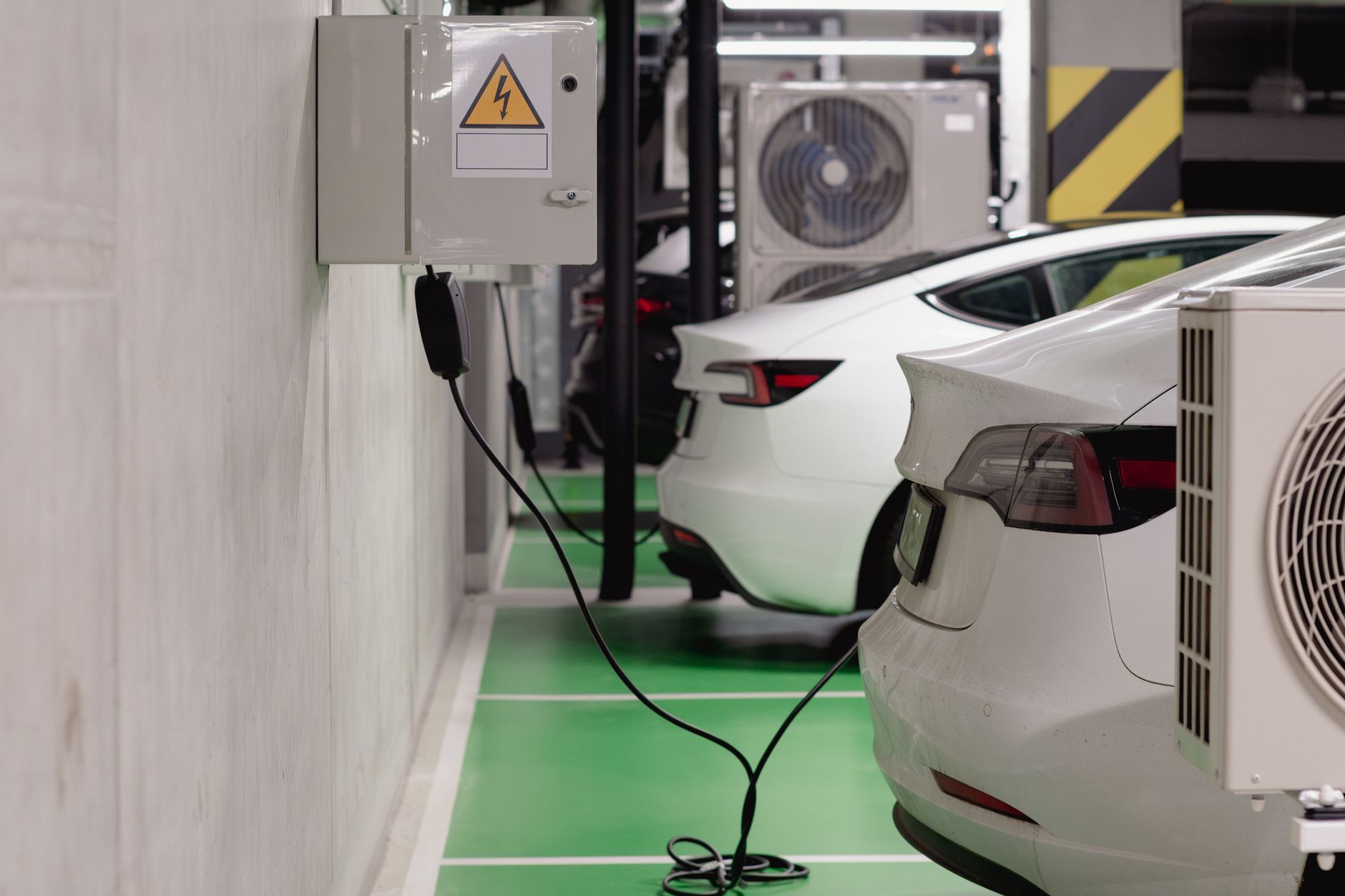
EV Bedrooms are becoming a hot topic in the auto industry, raising questions about their true demand and practicality. Are these innovative designs a genuine need or just a marketing gimmick?
What Are EV Bedrooms?
As the automotive industry pivots towards electric vehicles, a new trend is emerging: EV Bedrooms. These innovative living spaces are designed to cater to the needs of electric vehicle owners, providing a seamless integration of technology and comfort. But what exactly are EV Bedrooms?
EV Bedrooms are specially designed rooms or units that incorporate charging solutions for electric vehicles, allowing owners to recharge their cars overnight while enjoying the comforts of home. This concept goes beyond the traditional idea of a bedroom, merging the functionality of a living space with the practicality of owning an electric vehicle.
Key features of EV Bedrooms often include:
- Integrated Charging Stations: Built-in charging ports that make it easy to connect your vehicle while you sleep.
- Sustainable Design: Eco-friendly materials and energy-efficient appliances that align with the values of electric vehicle owners.
- Smart Technology: Automation systems that can monitor energy consumption and optimize charging schedules based on electricity rates.
This trend raises questions about genuine consumer demand versus marketing strategies, with many wondering if EV Bedrooms are a necessary evolution in home design or simply a novelty for auto shows.
The Concept Behind EV Bedrooms
The concept behind EV bedrooms merges the growing popularity of electric vehicles (EVs) with innovative living solutions. As urban spaces evolve, the demand for sustainable and multi-functional environments has increased, leading to the rise of EV bedrooms. These unique living spaces are designed to accommodate the needs of residents who prioritize both eco-friendliness and convenience.
At their core, EV bedrooms serve a dual purpose: they provide a cozy sleeping area while also integrating charging solutions for electric vehicles. By incorporating charging stations directly within living spaces, the design caters to the rising number of EV owners who seek seamless integration of their transportation needs with their daily lives.
Moreover, the appeal of EV bedrooms extends beyond just practicality. They represent a lifestyle choice that emphasizes sustainability. Consumers are increasingly drawn to concepts that reflect their values, particularly in urban environments where space is at a premium.
This trend not only responds to a genuine demand for eco-conscious living but also highlights how innovation can redefine traditional concepts of home and mobility. As cities continue to adapt to the rise of electric vehicles, EV bedrooms may become a staple in the modern housing landscape.
Market Reactions to EV Bedrooms
The concept of EV Bedrooms has sparked a diverse range of reactions within the market. As electric vehicles (EVs) continue to gain popularity, the idea of integrating living spaces with charging technology has captured the imagination of both consumers and industry experts.
Many potential buyers express excitement about the convenience of having an EV Bedroom, as it offers a unique solution for those who prioritize sustainability and energy efficiency. The idea resonates particularly well with:
- Urban dwellers looking for innovative ways to maximize space.
- Environmentally conscious consumers seeking to reduce their carbon footprint.
- Tech enthusiasts eager to embrace the latest advancements in home and automotive technology.
However, some skeptics question whether the demand for EV Bedrooms is genuine or merely a marketing tactic to generate buzz. Critics argue that while the integration of living spaces and EV technology is intriguing, it may not address the practical needs of all consumers.
Overall, the mixed responses highlight a pivotal moment in the evolution of home and automotive design, with EV Bedrooms standing at the intersection of innovation and lifestyle changes.
Are EV Bedrooms Here to Stay?
The growing interest in EV bedrooms has sparked a debate about their longevity in the market. As consumers increasingly adopt electric vehicles, the demand for innovative solutions to accommodate lifestyle changes is undeniable. Industry experts suggest that EV bedrooms may not just be a fleeting trend but a reflection of evolving consumer needs.
Several factors contribute to the potential permanence of EV bedrooms:
- Technological Advancements: As battery technology improves, the integration of EV charging capabilities into home design becomes more feasible.
- Sustainability Focus: With a growing emphasis on eco-friendly living, consumers are more inclined to embrace concepts that support a greener lifestyle.
- Urbanization Trends: As cities become more congested, multifunctional living spaces like EV bedrooms could address both housing shortages and the need for accessible charging solutions.
However, some skeptics question whether the concept will resonate with a broader audience. The success of EV bedrooms may ultimately depend on factors such as cost, practicality, and widespread acceptance within the housing market.
Time will tell if EV bedrooms are here to stay or if they will fade as just another novelty in the rapidly evolving world of electric vehicles.
Consumer Opinions on EV Bedrooms
Consumer opinions on EV bedrooms reveal a mix of excitement and skepticism about this emerging trend. Many individuals are intrigued by the concept, viewing it as a fusion of technology and comfort. Emma Rodriguez, a tech enthusiast, expressed her enthusiasm, stating, “The idea of having a cozy space for relaxation while charging my EV is fantastic. It’s about time we integrate our vehicles into our lifestyles.”
However, not everyone is convinced of the practicality of EV bedrooms. Mark Thompson, a real estate analyst, noted, “While the innovation is appealing, I question whether there is a genuine consumer demand for such spaces. Are people ready to embrace the concept of living with their electric vehicles in a bedroom setting?”
Surveys conducted among potential buyers show that while interest exists, many are concerned about the feasibility and logistics associated with integrating EV bedrooms into existing home designs. Factors such as space requirements, safety, and the costs involved are significant considerations.
As the conversation around EV bedrooms continues, it remains to be seen whether this trend will evolve into a lasting market segment or fade away as just another fleeting idea in the electric vehicle revolution.
Photo by Jakub Zerdzicki on Pexels
Sources
Is the vivo S2 FE Review the Best Smartphone with a 10,000mAh Battery? · 2026 Toyota Glanza: Is It the Best New Car Option? · New EV Technology: The Best Game-Changing Cars Revealed