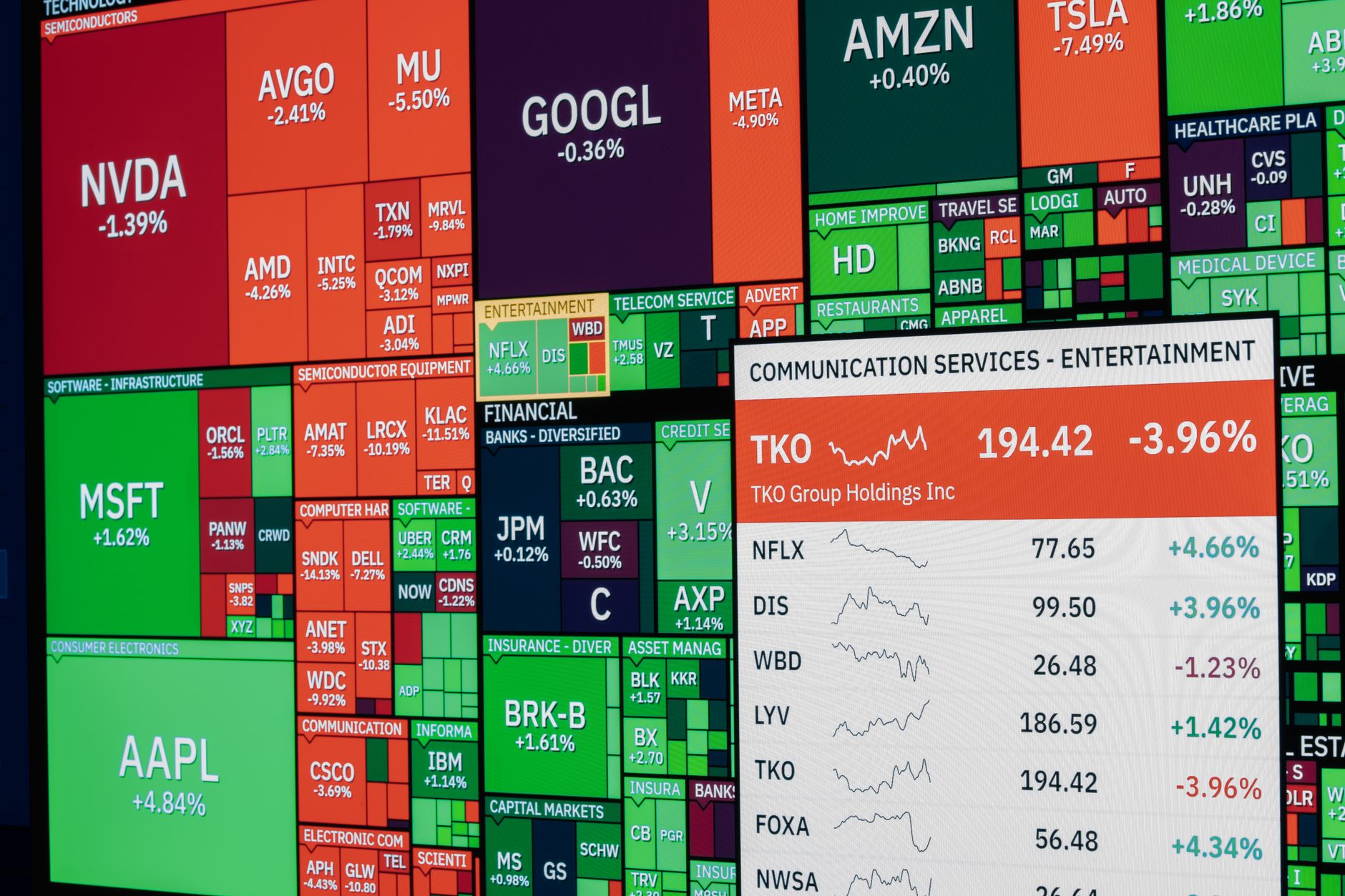
The stock market rally continues as the Nasdaq ends at a record high, driven by falling oil prices that have invigorated investor confidence.
Overview of Today’s Market
Today, the stock market rally reached new heights as the Nasdaq composite achieved a record closing high, buoyed by a significant drop in oil prices. Investors responded positively to the decreasing costs of crude oil, which alleviated inflationary pressures and encouraged consumer spending. As a result, the overall market sentiment turned optimistic, leading to strong gains across major indices.
Among the key highlights of the day:
- The Nasdaq surged by over 2%, closing at an all-time high, driven primarily by technology stocks.
- The S&P 500 followed closely behind, marking a notable increase, as sectors such as consumer discretionary and financials also enjoyed significant boosts.
- Oil prices fell sharply, with West Texas Intermediate dipping below $70 a barrel, contributing to the upbeat market conditions.
- Traders noted that the decline in oil prices could lead to lower transportation and production costs, benefiting various industries.
Analysts suggest that the combination of falling energy prices and robust earnings reports has created a favorable environment for investors. As the market continues to capitalize on these trends, many are optimistic about the potential for sustained growth and further advancements in the stock market rally.
Nasdaq’s Record High Explained
The recent stock market rally has been significantly influenced by a series of factors that converged to propel the Nasdaq to unprecedented heights. On the backdrop of declining oil prices, investor sentiment has shifted positively, leading to increased buying activity across technology stocks.
Several key elements contributed to this remarkable achievement:
- Oil Prices Decline: The drop in oil prices has alleviated inflationary pressures, allowing consumers and businesses to allocate funds towards discretionary spending and investment.
- Strong Earnings Reports: Many tech companies reported better-than-expected quarterly earnings, signaling robust demand and solid growth prospects, which further boosted investor confidence.
- Federal Reserve Policy: The Federal Reserve’s commitment to maintaining low interest rates has provided a favorable environment for equities, encouraging investment in growth-oriented sectors.
As a result, the Nasdaq has not only reached a record high but also reflects the market’s resilience amid economic uncertainties. Analysts suggest that this stock market rally may continue if the current trends in oil prices and corporate earnings persist. Investors are advised to remain vigilant and consider the broader implications of these developments on their portfolios.
Impact of Falling Oil Prices
The recent decline in oil prices has created a ripple effect, contributing significantly to the ongoing stock market rally. Analysts suggest that lower oil costs can lead to reduced transportation and production expenses, which ultimately boosts corporate profits. This is particularly advantageous for sectors heavily reliant on oil, such as transportation and manufacturing.
In the context of the stock market, falling oil prices tend to increase investor confidence. As consumers benefit from lower gas prices, disposable income rises, leading to increased spending in various sectors. This positive sentiment is reflected in the stock market indices, with the Nasdaq reaching a record high today as investors capitalize on the favorable economic environment.
Several key factors explain the impact of falling oil prices on the current market dynamics:
- Increased Consumer Spending: With lower fuel costs, households have more money to spend on goods and services.
- Improved Corporate Margins: Companies can save on shipping and production costs, leading to higher profit margins.
- Market Sentiment: A decline in oil prices often signals economic stability, encouraging investment in equities.
As the stock market rally continues, analysts will be closely monitoring oil price trends and their implications for future market movements.
S&P 500’s Performance
In today’s trading session, the S&P 500 exhibited notable resilience, reflecting the overall stock market rally driven by falling oil prices. The index closed at a significant level, bolstered by gains across multiple sectors, particularly energy and consumer discretionary.
Investors responded positively to the recent data indicating a decline in oil prices, which alleviated inflationary pressures and invigorated market sentiment. The S&P 500, known for its broad representation of the U.S. economy, saw a variety of companies benefiting from this trend.
- Energy Sector: The energy sector led the gains, with companies seeing a boost as oil prices fell, enhancing profitability margins.
- Consumer Discretionary: Retail stocks also performed well, as reduced fuel costs are expected to increase consumer spending.
- Financials: Financial institutions showed strength, bolstered by rising interest rates that often accompany a robust stock market rally.
Market analysts suggest that the S&P 500’s performance is indicative of a broader trend, with investor confidence growing as economic indicators improve. As the stock market rally continues, many are watching for further developments that could impact the trajectory of this index.
Investor Reactions to Market Trends
Investors have been closely monitoring the recent stock market rally, particularly as the Nasdaq reached a record high on the back of declining oil prices. Many market participants expressed optimism, noting that the rally reflects broader economic recovery signs.
Some investors are taking a cautious approach, considering the potential for volatility in the coming weeks. Jessica Hartman, a financial analyst, stated, “While the current trends are promising, we must remain vigilant. Market conditions can change rapidly.”
Others are more enthusiastic, viewing the rally as a pivotal moment for tech stocks. Mark Chen, a tech sector investor, commented, “The Nasdaq’s performance is a testament to the resilience of the technology sector. It’s clear that investors are ready to embrace growth opportunities.”
Despite the positive sentiment, there are concerns about inflation and potential interest rate hikes that may impact future market performance. Tomás Ruiz, a seasoned investor, highlighted that “While the stock market rally is encouraging, the economic landscape remains complex, and we should prepare for potential headwinds.”
Overall, the reactions to the stock market rally are mixed, but the prevailing sentiment leans towards cautious optimism as investors navigate these fluctuating conditions.
Future Predictions for the Stock Market
As analysts look ahead, the outlook for the stock market remains optimistic amid the recent stock market rally. Factors contributing to this bullish sentiment include ongoing economic recovery, favorable corporate earnings, and a potential stabilization in interest rates.
Many experts believe that the current momentum may continue, driven by:
- Strong Corporate Earnings: Companies are reporting better-than-expected earnings, which may bolster investor confidence and fuel further investment in the market.
- Economic Recovery: Continued improvements in employment figures and consumer spending are seen as positive indicators that the economy is on a solid path.
- Monetary Policy: The Federal Reserve’s commitment to maintaining low interest rates for the foreseeable future could encourage more borrowing and spending, which supports stock prices.
- Sector Performance: Technology stocks, particularly those within the Nasdaq, are expected to lead the way, as innovation and digital transformation remain at the forefront of economic growth.
While the stock market rally presents opportunities, analysts caution investors to remain vigilant. Potential challenges such as inflation concerns and geopolitical tensions could impact market stability. Thus, a well-informed approach is essential as the market continues to evolve.
Conclusion on Current Market Climate
In summary, the current market climate is characterized by a robust stock market rally, driven by a combination of factors that have collectively fostered investor confidence. As major indices like the Nasdaq reach unprecedented heights, it is clear that the dynamics of supply and demand, influenced by falling oil prices, have played a pivotal role in this upward momentum.
Market analysts have noted that the decline in oil prices not only reduces operational costs for many companies but also alleviates inflationary pressures, allowing consumers to allocate more of their budgets to discretionary spending. This shift in consumer behavior has further buoyed corporate earnings forecasts, leading to a cascading effect on stock valuations.
Additionally, the response from investors has been overwhelmingly optimistic, with many viewing the current rally as a strong indicator of economic resilience. However, it is essential for stakeholders to remain vigilant as external factors, such as geopolitical tensions and monetary policy changes, could affect market stability.
Overall, while the stock market rally represents a significant opportunity for growth, investors are encouraged to maintain a diversified portfolio and stay informed about emerging trends that may influence future performance. As we move forward, the market’s ability to sustain this momentum will depend on several variables, including ongoing economic indicators and global market conditions.
Photo by Rafael Minguet Delgado on Pexels