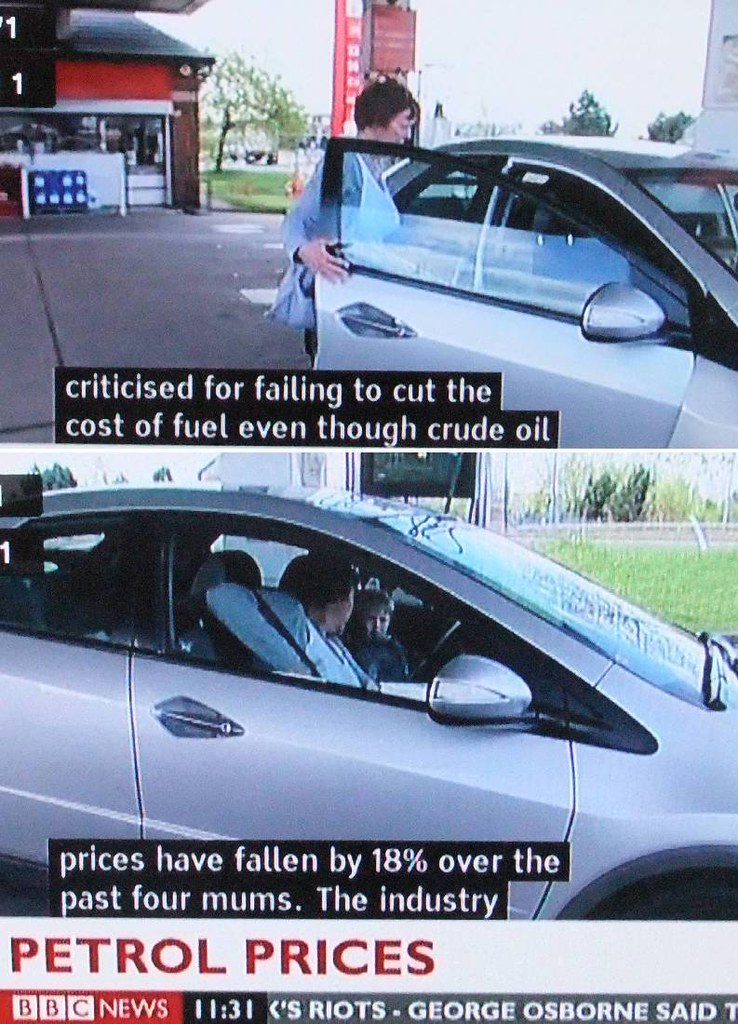
oil prices fall as concerns over Middle East supply ease, prompting analysts to predict potential benefits for consumers at the gas station.
What Caused the Recent Drop in Oil Prices?
The recent decline in oil prices has been attributed to several key factors that have eased market tensions. Analysts suggest that the significant drop of nearly 2% is primarily linked to improved stability in the Middle East, where supply concerns had previously driven prices up.
One major reason for this decrease is:
- Increased Production: OPEC and allied nations have ramped up production levels, providing a larger supply to meet global demand.
- Geopolitical Stability: Recent diplomatic efforts have reduced tensions in oil-rich regions, leading to a more secure environment for oil transport.
- Seasonal Demand Fluctuations: With the transition from summer driving season to fall, demand for gasoline typically declines, contributing to lower prices.
The combination of these factors has led many to speculate whether this is the optimal time to buy gas, as oil prices fall and may lead to more favorable pricing at the pump in the coming weeks.
Impact of Middle East Stability on Global Oil Supply
The recent decline in oil prices can be significantly attributed to the stabilizing situation in the Middle East. As tensions ease, concerns regarding disruptions to global oil supply have lessened, leading to a noticeable impact on market dynamics.
In analyzing the situation, several factors play a crucial role:
- Increased Production: Countries in the region have ramped up their production levels, which contributes to an oversupply in the market.
- Geopolitical Stability: With reduced conflict, there is a greater sense of security for investors and traders, fostering confidence in continued supply.
- Global Demand Trends: While supply has increased, global demand has not surged at the same pace, further driving prices down.
As oil prices fall, consumers may find it an opportune moment to consider their fuel purchases. With ongoing fluctuations in the market, the potential for lower gas prices could benefit drivers in the near future.
How Falling Oil Prices Affect Consumers
The recent trend of falling oil prices has sparked interest among consumers, particularly regarding the implications for gas prices. When oil prices decrease, it often leads to lower costs at the pump for consumers, allowing for potential savings in daily commuting and travel expenses.
As oil prices fall, several factors come into play that can benefit consumers:
- Reduced Gas Prices: Typically, a drop in oil prices translates to a decrease in gasoline costs, enabling families to allocate their budgets to other necessities.
- Economic Relief: Lower fuel costs can stimulate consumer spending in other areas, positively impacting the overall economy.
- Increased Demand: As gas prices decline, consumers may be more inclined to travel, boosting sales for travel-related industries.
However, it’s important to remain cautious, as fluctuations in oil prices can be influenced by global events. While the current situation presents an opportunity for savings, consumers should also consider potential future changes in the market.
Future Predictions for Oil Prices
Analysts are closely monitoring the oil market as predictions suggest that oil prices may continue to fluctuate in the coming months. With the recent fall in oil prices, experts are divided on whether this trend will persist or if prices will rebound due to external factors.
Several key elements could influence future oil prices:
- Global Demand: As economies recover post-pandemic, demand for oil may rise, potentially driving prices back up.
- Geopolitical Tensions: Ongoing conflicts or instability in oil-producing regions could impact supply, leading to price increases.
- OPEC Decisions: The Organization of the Petroleum Exporting Countries (OPEC) plays a significant role in regulating oil production levels, which can directly affect pricing.
- Market Speculation: Traders’ perceptions and future expectations can lead to volatility in oil prices, creating uncertainty.
As oil prices fall, consumers may find this an opportune moment to consider their fuel purchases. However, keeping an eye on market trends will be crucial in determining the best time to buy gas.
As consumers look to take advantage of the situation, many are wondering if oil prices fall will lead to more stable gas prices in the coming weeks. Experts suggest that while oil prices fall, it might be a good time to fill up your tank before potential fluctuations occur.
By Gwydion M. Williams via Openverse
References
Related reading
EV charging sites: Delhi’s 382 locations approved for growth · Honda Elevate launch: The Best Teaser Before Unveiling · 2026 Skoda Slavia Facelift: Best Proven Features Revealed