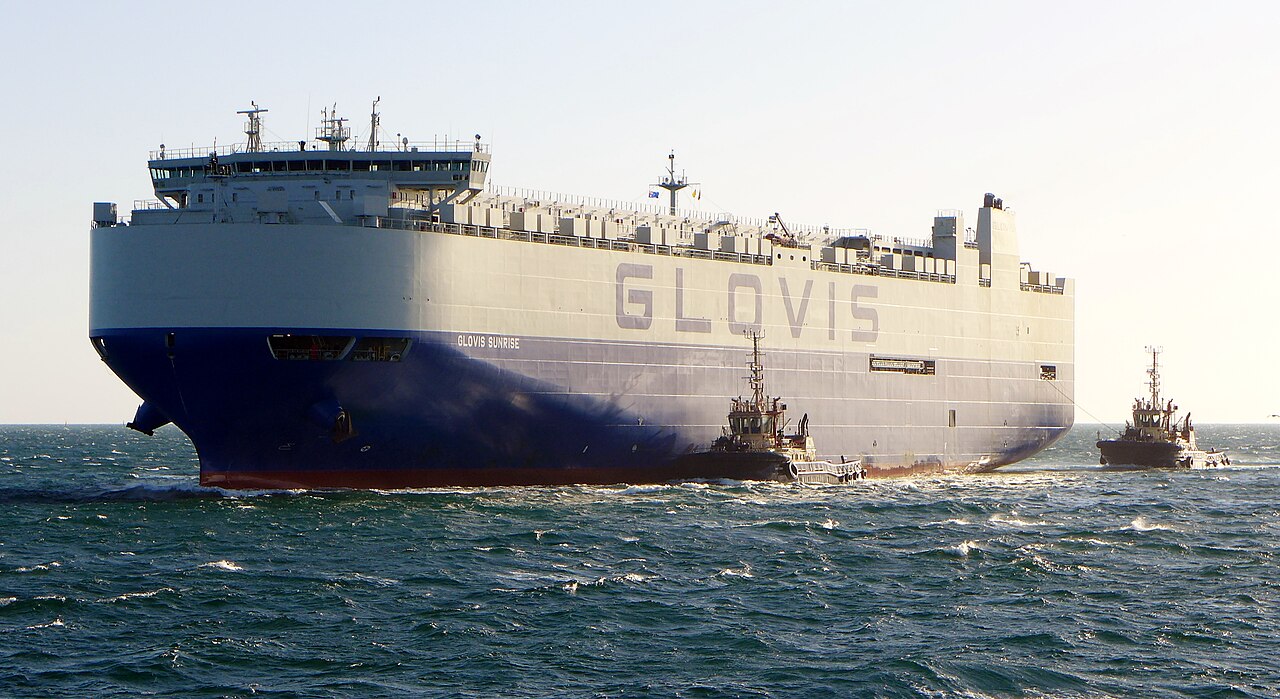
Hyundai Glovis mega-ship is making waves in the automotive industry with its impressive capacity to carry 10,800 cars. This innovative vessel promises to enhance global car transportation.
Introduction to Hyundai Glovis
Hyundai Glovis, a global leader in logistics and transportation, is set to enhance its operations with the launch of a groundbreaking mega-ship designed specifically for transporting vehicles. This innovative vessel, known as the Hyundai Glovis mega-ship, boasts the capacity to carry up to 10,800 cars, positioning it as one of the largest ships of its kind in the world.
The introduction of the Hyundai Glovis mega-ship is a significant development in the automotive logistics industry, as it addresses the growing demand for efficient and effective vehicle transportation. With the increasing production of cars around the globe, having a dedicated ship of this scale will allow for streamlined operations and greater flexibility in shipping schedules.
Key features of the Hyundai Glovis mega-ship include:
- Advanced technology: Equipped with state-of-the-art navigation and cargo management systems.
- Eco-friendly design: Built with sustainability in mind, reducing emissions and fuel consumption.
- Enhanced safety: Designed to ensure the secure transport of vehicles, minimizing the risk of damage during transit.
As Hyundai Glovis continues to innovate, the mega-ship promises to set new standards in the logistics sector, making it the best way to transport cars efficiently and reliably.
What is a Mega-Ship?
A mega-ship is a large vessel specifically designed for the efficient transportation of goods, particularly vehicles. These ships are characterized by their immense size and capacity, allowing them to carry thousands of cars in a single voyage. The Hyundai Glovis mega-ship, for instance, is engineered to transport up to 10,800 vehicles, making it one of the largest of its kind in the world.
One of the key features of a mega-ship is its ability to optimize space. These ships are equipped with advanced loading and unloading systems, ensuring that vehicles can be loaded quickly and safely. The design also includes multiple decks, which are specifically structured to accommodate various types of vehicles, from compact cars to larger SUVs.
Additionally, mega-ships contribute to reducing the carbon footprint of shipping by maximizing cargo capacity. This efficiency not only lowers shipping costs but also minimizes the environmental impact associated with transporting goods over long distances.
In summary, the Hyundai Glovis mega-ship exemplifies the future of vehicle transportation, combining size, efficiency, and sustainability in a single vessel. As global demand for car shipments continues to rise, the role of mega-ships will become increasingly vital in the automotive supply chain.
Impact on Car Transportation
The introduction of the Hyundai Glovis mega-ship marks a significant advancement in the car transportation industry. This innovative vessel is set to transform how automobiles are shipped across the globe, providing numerous benefits for manufacturers and consumers alike.
One of the key impacts of this mega-ship is its capacity. With the ability to carry up to 10,800 cars, Hyundai Glovis is not only increasing efficiency but also reducing the per-unit cost of transportation. This scale allows for better logistics management, streamlining the shipping process for car manufacturers.
Additionally, the Hyundai Glovis mega-ship is designed to be environmentally friendly. By utilizing advanced technologies, it aims to minimize fuel consumption and lower emissions, aligning with global sustainability goals. This is particularly important as the automotive industry moves towards greener practices.
Furthermore, the mega-ship enhances safety and security during transportation. The design includes state-of-the-art features to ensure that vehicles are protected from potential damage while at sea, which is a significant concern for manufacturers and buyers.
In conclusion, the Hyundai Glovis mega-ship is poised to make a lasting impact on car transportation by improving efficiency, reducing costs, and promoting sustainable practices in the industry.
Benefits of the New Vessel
The launch of the Hyundai Glovis mega-ship brings several benefits to the automotive transportation industry. This innovative vessel is designed to enhance efficiency and sustainability in car transportation, providing a multitude of advantages for manufacturers and consumers alike.
- Increased Capacity: The Hyundai Glovis mega-ship can carry up to 10,800 cars at once, significantly reducing the number of trips needed to transport vehicles globally. This increased capacity helps streamline logistics and reduces transportation costs.
- Environmental Impact: With advanced fuel-efficient technologies, the mega-ship is designed to minimize emissions. By transporting more cars in a single journey, it contributes to lower overall carbon footprints in the shipping industry.
- Enhanced Safety: The vessel’s state-of-the-art design includes advanced safety features that protect the cars during transit. This ensures that vehicles arrive at their destinations in pristine condition, reducing potential damages and losses.
- Faster Delivery Times: The efficiency of the Hyundai Glovis mega-ship allows for quicker delivery of automobiles to markets. This responsiveness can enhance customer satisfaction and improve supply chain dynamics.
Overall, the Hyundai Glovis mega-ship is set to revolutionize the way cars are transported, offering significant benefits that cater to the needs of the modern automotive industry.
Comparison with Traditional Ships
When examining the Hyundai Glovis mega-ship, it is essential to compare its capabilities with those of traditional car transport ships. Traditional vessels often have limitations in both capacity and efficiency, which can hinder the timely delivery of vehicles. In contrast, the Hyundai Glovis mega-ship can carry up to 10,800 cars, significantly surpassing the capacity of most conventional ships.
Some key differences between the two types of vessels include:
- Capacity: Traditional car carriers typically hold between 4,000 to 6,000 vehicles, while the Hyundai Glovis mega-ship nearly doubles that number, allowing for greater economies of scale.
- Fuel Efficiency: The mega-ship is designed with state-of-the-art technology that enhances fuel efficiency, ultimately reducing emissions compared to older models.
- Loading and Unloading Speed: The advanced design of the Hyundai Glovis mega-ship streamlines the loading and unloading process, minimizing port time and increasing turnaround efficiency.
- Safety Features: With enhanced safety systems in place, the mega-ship provides better protection for vehicles during transit, reducing potential damage.
Overall, the Hyundai Glovis mega-ship represents a significant advancement over traditional ships, paving the way for more efficient car transportation and setting new standards in the industry.
Future of Automotive Shipping
The future of automotive shipping is set to be transformed significantly with the introduction of the Hyundai Glovis mega-ship. This innovative vessel not only enhances the efficiency of transporting vehicles but also addresses many challenges faced by the industry today. As global demand for automotive transport increases, the capabilities of mega-ships will play a crucial role in meeting this demand.
One of the primary advantages of the Hyundai Glovis mega-ship is its capacity. With the ability to carry 10,800 cars, it allows manufacturers to ship larger quantities in a single journey, reducing the overall carbon footprint associated with transportation. This is particularly important as the automotive industry increasingly prioritizes sustainability.
Additionally, the advanced technology integrated into these mega-ships ensures that vehicles are transported safely and efficiently. Features such as automated loading systems and enhanced climate control are designed to protect the cars during transit, minimizing the risk of damage.
Moreover, as Hyundai Glovis continues to innovate in automotive logistics, we can expect to see a shift in shipping practices. The adoption of these mega-ships will likely encourage other companies to reevaluate their transportation strategies, focusing on larger, more efficient vessels to remain competitive in a rapidly evolving market.
Challenges in the Shipping Industry
The shipping industry faces several challenges that can affect the efficiency and effectiveness of operations, especially with vessels as large as the Hyundai Glovis mega-ship. One of the primary concerns is the rising fuel costs, which can significantly impact shipping rates and profitability. With global oil prices fluctuating, companies must find ways to manage these expenses while maintaining competitive pricing.
Additionally, environmental regulations are becoming increasingly stringent. Shipping companies must invest in cleaner technologies and alternative fuels to comply with international regulations, which can require substantial upfront investments. This shift not only affects operational costs but also requires ongoing training for crew members to handle new systems and protocols.
Port congestion is another critical challenge. As more mega-ships enter service, ports may struggle to accommodate the larger vessels, leading to delays and increased turnaround times. Efficient logistics and scheduling become essential to mitigate these issues.
Moreover, the ongoing global supply chain disruptions, exacerbated by events such as the COVID-19 pandemic, have made it difficult for shipping companies to maintain consistent schedules and deliveries. Adapting to these challenges while leveraging the advantages of the Hyundai Glovis mega-ship will be crucial for future success in automotive shipping.
Conclusion and Outlook
In conclusion, the Hyundai Glovis mega-ship represents a significant advancement in automotive shipping, showcasing the future of car transportation. With the capability to carry up to 10,800 vehicles, this vessel not only enhances efficiency but also reduces costs associated with shipping. As the automotive industry continues to evolve, the demand for innovative solutions like the Hyundai Glovis mega-ship will only increase.
The benefits of adopting such large vessels extend beyond mere capacity. These ships are designed with advanced technology, ensuring safer transport for vehicles and minimizing the environmental impact compared to traditional shipping methods. As manufacturers seek to streamline their logistics, the shift towards mega-ships could redefine shipping standards globally.
However, challenges remain in the shipping industry, including fluctuating fuel prices and regulatory compliance. The successful operation of the Hyundai Glovis mega-ship will depend on the ability to navigate these challenges while maintaining high service levels.
Looking ahead, the integration of mega-ships into the automotive supply chain could lead to improved delivery times and reduced carbon footprints. As Hyundai Glovis continues to innovate, the transportation of cars may never be the same, paving the way for a more sustainable and efficient future in the shipping sector.
via Wikimedia Commons