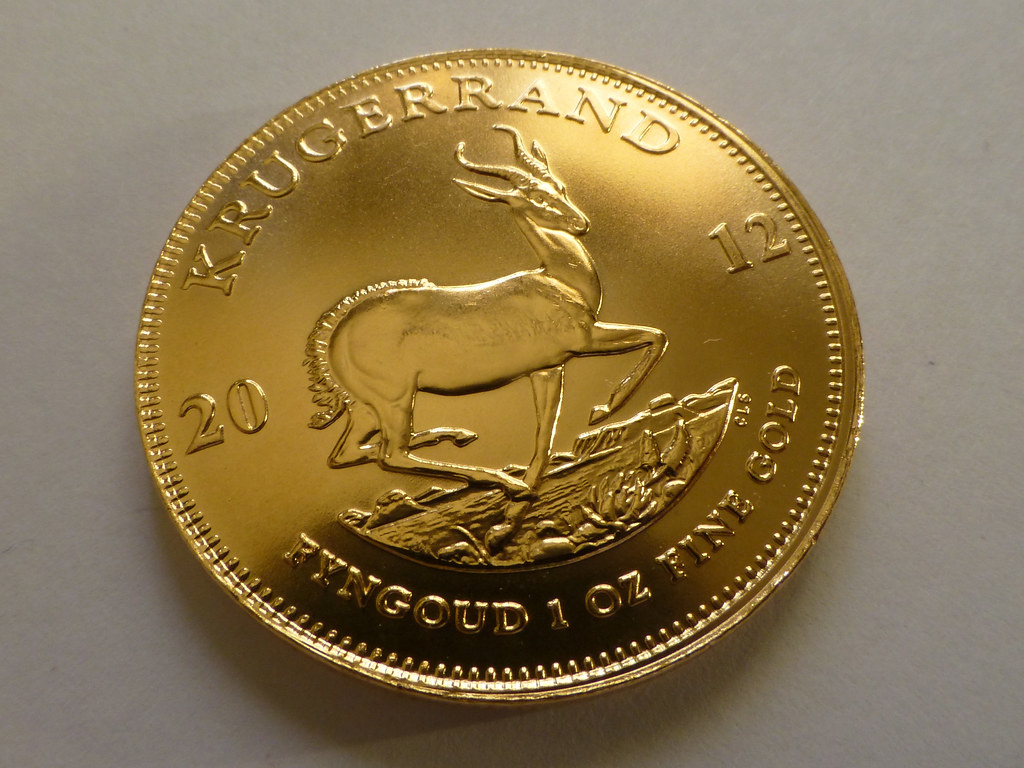
Gold and silver prices are experiencing a significant decline as higher bond yields weigh heavily on metals. This shift is crucial for investors to understand.
Understanding the Current Market Trends
The recent decline in gold and silver prices has raised concerns among investors as higher bond yields have exerted pressure on the metals market. The sharp drop in these precious metals can be attributed to a combination of factors that are currently shaping the investment landscape.
Firstly, rising interest rates have made bonds more attractive, leading to a shift in investor preferences. When yields on government bonds increase, the opportunity cost of holding non-yielding assets like gold and silver also rises, prompting many to sell off their holdings in favor of more lucrative investments.
Additionally, the strengthening U.S. dollar has further contributed to the downturn. A stronger dollar makes gold and silver more expensive for investors using other currencies, which can decrease demand globally.
The market’s reaction has been swift, and many analysts are closely monitoring the situation. Investors are advised to consider the following:
- Market Sentiment: Keep an eye on investor behavior and market sentiment as they can significantly influence price movements.
- Long-Term Perspective: Consider the historical performance of gold and silver during economic downturns; they have traditionally been seen as safe-haven assets.
- Diversification: Maintaining a diversified portfolio can help mitigate risks associated with fluctuations in gold and silver prices.
In conclusion, while the current trends may be concerning, understanding the underlying factors can help investors navigate the volatile market effectively.
Impact of Bond Yields on Precious Metals
The recent drop in gold and silver prices can be largely attributed to the rising bond yields, which have created a challenging environment for precious metals. Investors often turn to metals like gold and silver as safe-haven assets during times of uncertainty; however, when bond yields increase, the opportunity cost of holding these assets rises. This shift in investor sentiment has notable implications.
Higher bond yields typically signal a strengthening economy and may lead to shifts in monetary policy. As interest rates climb, the allure of holding non-yielding assets such as gold and silver diminishes. The immediate effect is a shift in capital allocation, as investors seek returns from interest-bearing securities rather than precious metals.
The following factors illustrate the impact of rising bond yields on the market for gold and silver:
- Investment Diversion: As yields rise, funds may flow out of precious metals and into bonds, further pressuring gold and silver prices.
- Inflation Expectations: Higher yields often result from expectations of rising inflation, which can initially boost gold prices. However, if yields continue to outpace inflation, metals may suffer.
- Market Sentiment: Increased yields can also indicate confidence in the stock market, leading to reduced demand for safe-haven investments.
As such, the interplay between bond yields and the prices of gold and silver remains crucial for investors to monitor closely.
Why Investors Should Care About Price Drops
The recent decline in gold and silver prices has raised concerns among investors, as these precious metals are often viewed as safe-haven assets during times of economic uncertainty. Understanding the implications of this price drop is crucial for anyone involved in the market.
Here are several reasons why investors should be attentive:
- Inflation Hedge: Gold and silver are traditionally used as a hedge against inflation. When prices fall, investors may worry about the long-term value of their investments.
- Market Sentiment: A significant drop in precious metals prices can indicate a shift in market sentiment, potentially leading to increased volatility across other asset classes.
- Portfolio Diversification: Investors often include gold and silver in their portfolios for diversification. A drop in prices may lead to reevaluation of investment strategies.
- Buying Opportunities: For some, lower prices represent a buying opportunity. Savvy investors may choose to acquire more gold and silver during downturns, anticipating future price recoveries.
- Global Economic Signals: Changes in gold and silver prices can signal broader economic trends, making it essential for investors to stay informed about these fluctuations.
In summary, the drop in gold and silver prices is not just a statistic; it has real implications for investor strategies and market dynamics.
Historical Context of Gold and Silver Prices
The historical context of gold and silver prices reveals a complex relationship influenced by various economic factors over time. Precious metals have long been viewed as a safe haven during periods of economic uncertainty, with their values fluctuating based on investor sentiment and global events.
In the early 2000s, both gold and silver experienced significant price increases, driven by factors such as geopolitical tensions and economic downturns. For instance, gold reached its peak in 2012, soaring to over $1,800 per ounce as investors sought refuge from the volatile stock market. Similarly, silver saw a meteoric rise around the same period, peaking at approximately $50 per ounce.
However, these prices are not static. The dynamics of supply and demand, changes in production levels, and shifts in investor interest can lead to sharp declines. The most recent drop in gold and silver prices serves as a reminder of how quickly market conditions can change. Factors such as rising bond yields and stronger economic indicators can diminish the appeal of these metals, causing prices to fall.
Understanding this historical context is essential for investors. By analyzing past trends, they can make more informed decisions about when to buy or sell precious metals in response to current market fluctuations.
Expert Opinions on Future Price Movements
As gold and silver prices experience a significant decline, experts are weighing in on the potential future movements of these precious metals. Many analysts suggest that the recent drop is closely tied to rising bond yields, which often detract from the appeal of non-yielding assets like gold and silver.
According to Dr. Emily Carter, a senior market analyst, “The upward pressure on bond yields is likely to persist in the near term, which could continue to weigh heavily on gold and silver prices. Investors should brace for increased volatility as market conditions evolve.”
In contrast, John Miller, a commodities strategist, argues that the current dip might present a buying opportunity. “Historically, precious metals have rebounded after periods of decline. Investors who adopt a long-term perspective could benefit from lower entry points,” he notes.
Additionally, Lisa Tran, a financial advisor, emphasizes the importance of diversification. “While gold and silver prices are experiencing turbulence, it’s essential for investors to maintain a balanced portfolio that includes a mix of assets,” she advises.
As the market continues to react to economic indicators, staying informed and agile will be crucial for investors navigating the shifting landscape of gold and silver prices.
Strategies for Investing in Volatile Markets
In the face of fluctuating gold and silver prices, investors must adopt robust strategies to navigate the volatility of precious metals. The current market conditions, influenced by rising bond yields, require a careful approach to safeguarding investments.
One effective strategy is to diversify your portfolio. By spreading investments across various asset classes, including stocks, bonds, and commodities, investors can mitigate risks associated with the downturn in gold and silver prices. This approach not only helps cushion against losses but also leverages potential gains in other sectors.
Another tactic is to engage in dollar-cost averaging. This strategy entails investing a fixed amount of money in precious metals at regular intervals, regardless of market conditions. By doing so, investors can reduce the impact of volatility and average out the purchase price over time.
Additionally, staying informed about market trends and economic indicators is crucial. Investors should keep a close eye on interest rates, inflation, and geopolitical events that can influence gold and silver prices. Utilizing resources such as financial news, expert analyses, and economic reports can provide valuable insights for making informed decisions.
Finally, consider long-term investment horizons. While short-term price fluctuations can be unsettling, a long-term perspective can help investors ride out the volatility and benefit from potential future recoveries in gold and silver prices.
The Role of Inflation in Precious Metal Prices
Inflation plays a significant role in the fluctuation of gold and silver prices, influencing investor behavior and market dynamics. As inflation rises, the purchasing power of currency diminishes, prompting investors to seek refuge in precious metals, which are often viewed as a hedge against inflation.
When inflation rates surge, the demand for gold and silver typically increases, leading to a potential rise in their prices. However, the recent uptick in bond yields has created a counterbalancing effect. Higher yields on bonds make them more attractive compared to gold and silver, which do not yield interest or dividends. This shift in preference can lead to a decrease in demand for precious metals, causing prices to drop.
Moreover, the correlation between inflation and interest rates is crucial. Central banks often respond to rising inflation by increasing interest rates, which can further depress the prices of gold and silver. As investors reassess their portfolios in light of potential rate hikes, the volatility in precious metal prices becomes more pronounced.
In the current economic climate, where inflation concerns persist alongside fluctuating interest rates, understanding the dynamics between these factors is essential for investors. While the recent drop in gold and silver prices may seem alarming, it reflects broader economic trends and investor sentiments shaped by inflationary pressures.
How to Protect Your Investments During Declines
As gold and silver prices experience significant declines, investors must consider effective strategies to safeguard their portfolios. The volatility in precious metals can be unsettling, but there are practical steps to take during these downturns.
Diversification remains a cornerstone of investment strategy. By spreading investments across various asset classes, including stocks, bonds, and real estate, investors can mitigate risks associated with price fluctuations in gold and silver. This approach helps ensure that a decline in one sector does not dramatically impact overall portfolio performance.
Another effective strategy involves setting stop-loss orders. By establishing predetermined sell points, investors can automatically limit losses in the event of further declines in gold and silver prices. This proactive measure allows for better control over investment outcomes.
Additionally, considering alternative investments can provide a buffer during periods of falling prices. Options such as commodities, cryptocurrencies, or even emerging technologies might offer growth potential that can offset losses in precious metals.
Lastly, maintaining a long-term perspective is crucial. Historical trends show that both gold and silver have recovered from declines over time. Staying informed and adapting strategies to market conditions can empower investors to weather the storm and look forward to future gains.
By austinevan via Openverse