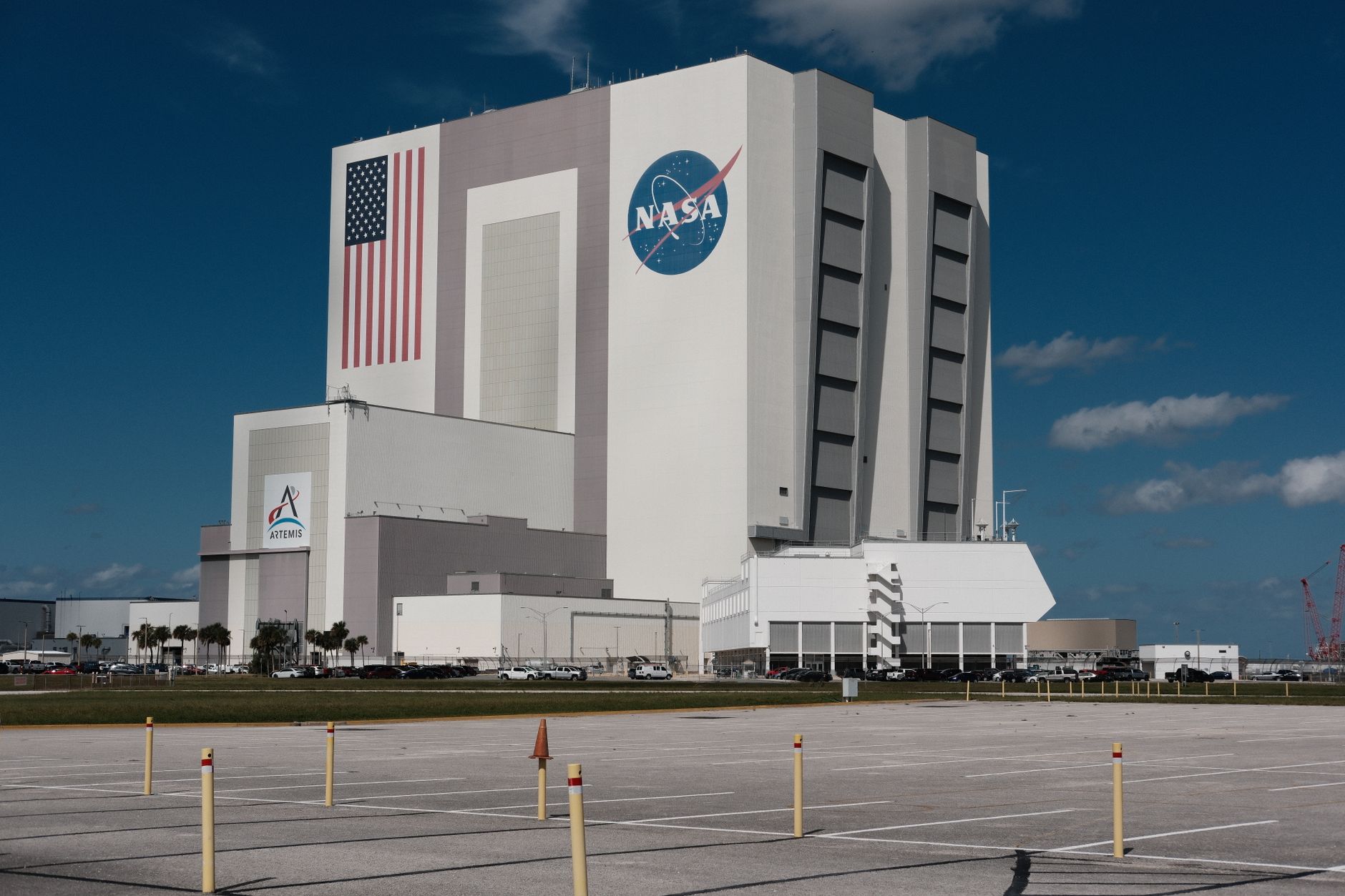
Artemis II Moon Launch has punched continent-sized holes in the ionosphere, raising concerns about its impact on self-driving cars and navigation systems.
Impact of Artemis II on the Ionosphere
The recent Artemis II Moon Launch has raised significant concerns regarding its impact on the ionosphere. Researchers have reported that the launch created continent-sized holes in this essential layer of the atmosphere, which plays a crucial role in radio communication and navigation systems.
These disturbances in the ionosphere can have various consequences, particularly for technologies that rely on satellite signals. Self-driving cars, for instance, utilize GPS data to navigate safely. However, the holes created by the Artemis II launch can lead to signal disruptions and inaccuracies, potentially endangering the vehicles and their passengers.
Experts have identified several key factors contributing to these ionospheric disturbances:
- Rocket Propulsion: The intense energy released during the launch can disrupt the plasma density in the ionosphere.
- Electromagnetic Waves: The rocket’s ascent generates electromagnetic waves that can interfere with existing signals.
- Altitude and Trajectory: The specific path taken by the Artemis II mission may exacerbate the effects on the ionosphere.
As space exploration continues to advance, understanding the implications of missions like the Artemis II Moon Launch on the ionosphere is critical. Researchers emphasize the need for further studies to mitigate the potential risks posed to our technological infrastructure.
How Ionospheric Changes Affect Self-Driving Cars
The recent Artemis II Moon launch has raised significant concerns regarding the effects of ionospheric changes on technology, particularly self-driving cars. As the mission progressed, it was reported that the launch created continent-sized holes in the ionosphere, which could have far-reaching implications for navigation systems.
Self-driving cars rely heavily on GPS and other satellite-based technologies to navigate safely and accurately. When the ionosphere experiences disturbances, it can lead to signal degradation and inaccuracies in positioning data. This is particularly concerning for autonomous vehicles that depend on precision for safe operation.
- Signal Delay: Variations in the ionosphere can cause delays in GPS signals, leading to incorrect location readings.
- Positioning Errors: Holes in the ionosphere can create gaps in data, resulting in vehicles misinterpreting their surroundings.
- Increased Vulnerability: Self-driving systems may become more vulnerable to obstructions and obstacles, complicating navigation.
Experts warn that the implications of the Artemis II Moon launch on the ionosphere could lead to a need for enhanced algorithms and systems in self-driving technology to mitigate these effects. As the reliance on autonomous vehicles grows, understanding and addressing the challenges posed by ionospheric changes will be critical in ensuring safe and efficient transportation.
The Science Behind the Ionosphere
The ionosphere is a vital layer of Earth’s atmosphere, situated approximately 30 miles above the surface, playing a critical role in radio communications and navigation systems. The impact of the Artemis II Moon Launch on this region has raised significant concerns among scientists and engineers alike.
During the launch, powerful rocket engines emitted immense amounts of energy, resulting in the creation of continent-sized holes in the ionosphere. This phenomenon occurs as the energy from the launch interacts with charged particles in the atmosphere, leading to disturbances that can disrupt the normal functioning of various technologies.
Several key factors contribute to the significance of these disturbances:
- Radio Signal Disruption: The ionosphere reflects and refracts radio waves, essential for communication. Disturbances can lead to signal loss or degradation.
- Navigation Systems: GPS relies on accurate signals from satellites that pass through the ionosphere. Holes can introduce errors in positioning data, affecting everything from navigation apps to self-driving cars.
- Scientific Research: Understanding these impacts is crucial for future space missions, including the Artemis II Moon Launch, as they may affect mission planning and operational protocols.
As researchers continue to analyze the effects of the Artemis II launch, they emphasize the importance of safeguarding technological innovations against the unpredictable nature of the ionosphere.
Future Implications for Space Launches
The Artemis II Moon Launch has not only advanced our exploration of space but has also raised significant concerns regarding its impact on the ionosphere. The findings from this mission suggest that future space launches could exacerbate the already precarious state of the ionosphere, potentially leading to detrimental effects on various technologies reliant on this atmospheric layer.
As researchers continue to analyze the data gathered during the Artemis II mission, they are uncovering new insights into how large-scale rocket launches can create continent-sized holes in the ionosphere. These disruptions can interfere with radio signals and GPS systems, which are critical for numerous applications, including self-driving cars, communication networks, and even aviation.
Looking ahead, several implications emerge for future space missions:
- Regulatory Adjustments: Agencies may need to implement stricter regulations regarding launch trajectories and timing to minimize ionospheric disturbances.
- Technological Innovations: There could be an increased demand for the development of more resilient technologies that can adapt to fluctuating ionospheric conditions.
- Collaborative Research: Enhanced collaboration among scientists, engineers, and policymakers may become essential to address the challenges posed by ionospheric changes.
Ultimately, as we prepare for future missions, including Artemis II, understanding and mitigating the impacts on the ionosphere will be crucial for maintaining the integrity of modern technology.
Photo by Lando Dong on Pexels