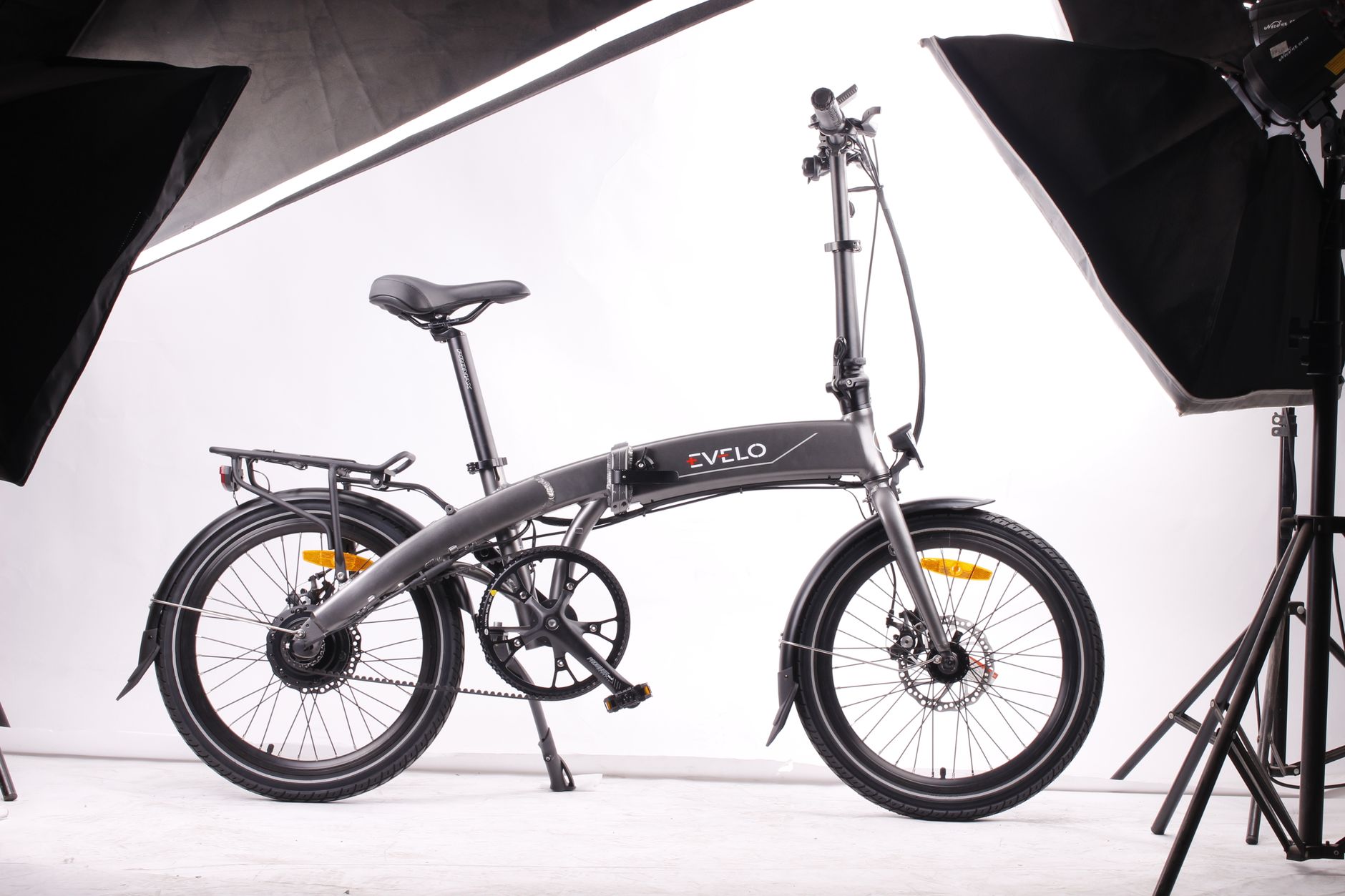
E-Bike subsidy approval is set to revolutionize the electric vehicle market in the country. The government has recently announced a substantial Rs. 9 billion subsidy under PAVE Phase 2, aimed at promoting e-bikes.
Overview of the E-Bike Subsidy
The recent approval of a significant subsidy for electric bicycles has generated considerable interest among potential buyers. The government has allocated Rs. 9 billion under the PAVE Phase 2 initiative, aimed at promoting eco-friendly transportation options. This E-Bike subsidy approval comes at a time when urban areas are increasingly focusing on reducing carbon emissions and traffic congestion.
Key aspects of the subsidy include:
- Financial Incentives: Eligible buyers can receive substantial financial assistance, making E-Bikes more affordable.
- Environmental Impact: The program supports a greener lifestyle by encouraging the use of electric vehicles.
- Accessibility: The subsidy is designed to benefit a wide range of consumers, from commuters to recreational riders.
Overall, the E-Bike subsidy approval represents a pivotal step towards sustainable urban mobility solutions.
Impact on Electric Vehicle Market
The recent E-Bike subsidy approval by the government is expected to significantly influence the electric vehicle market. With a substantial allocation of Rs. 9 billion under the PAVE Phase 2 initiative, the subsidy aims to promote the adoption of e-bikes among consumers.
This financial support not only incentivizes buyers but also encourages manufacturers to innovate and expand their offerings. The following are potential impacts on the market:
- Increased Sales: Lower prices due to subsidies may lead to a surge in e-bike sales.
- Broader Options: Manufacturers may introduce a wider range of models to cater to diverse consumer needs.
- Environmental Benefits: More e-bikes on the roads could contribute to reduced emissions and lower reliance on fossil fuels.
- Infrastructure Growth: Improved demand may prompt investment in charging and servicing facilities.
Overall, the subsidy could reshape the landscape of the electric vehicle market in a positive way.
Benefits for Consumers
The recent E-Bike subsidy approval by the government is set to bring numerous benefits for consumers looking to invest in electric bicycles. This initiative aims to make e-bikes more accessible, presenting an array of advantages that can enhance daily commuting experiences.
Key benefits for consumers include:
- Cost Savings: The subsidy reduces the upfront cost of purchasing an e-bike, making it a more affordable option for many households.
- Environmental Impact: E-bikes produce fewer emissions compared to traditional vehicles, contributing to a greener environment.
- Health Benefits: Riding an e-bike encourages physical activity, promoting a healthier lifestyle.
- Convenience: E-bikes offer ease of navigation in urban areas, reducing travel time and avoiding traffic congestion.
Overall, the subsidy could be a game-changer for consumers considering the switch to electric mobility.
Government’s Role in Promoting E-Bikes
The government’s role in promoting e-bikes has become increasingly significant, especially with the recent E-Bike subsidy approval of Rs. 9 billion under the PAVE Phase 2 initiative. This financial backing aims to incentivize consumers to adopt electric bikes, ultimately reducing carbon emissions and traffic congestion in urban areas.
By subsidizing e-bikes, the government not only supports eco-friendly transportation options but also stimulates local manufacturing and innovation in the electric vehicle sector. The initiative is expected to create jobs and boost the economy while aligning with global sustainability goals.
Moreover, the subsidy is designed to make e-bikes more affordable for consumers, encouraging a shift away from traditional vehicles. As this initiative unfolds, many are left to ponder whether the current subsidy structure really offers the best deal for potential e-bike buyers.
Comparison with Other Subsidies
The recent E-Bike subsidy approval has sparked discussions on how it compares with other government incentives aimed at promoting sustainable transportation. Here are some key points for consideration:
- Electric Vehicle (EV) Subsidies: While both e-bikes and traditional EVs offer subsidies, the financial support for e-bikes is often more accessible and less complex.
- Public Transport Initiatives: Subsidies for public transport may encourage more people to use buses and trains, but e-bikes provide a flexible alternative for short-distance travel.
- Tax Incentives for Eco-friendly Vehicles: Unlike tax deductions for larger vehicles, the e-bike subsidy aims to incentivize individual ownership without the burden of complex tax filings.
Ultimately, the E-Bike subsidy approval is designed to make eco-friendly transportation more viable, but consumers should weigh all options to find what suits their needs best.
Future of E-Bikes in the Country
The future of E-Bikes in the country looks promising following the recent E-Bike subsidy approval of Rs. 9 billion under PAVE Phase 2. This initiative is expected to significantly boost the adoption of electric bicycles, making them a more viable option for daily commuting. As urban areas become increasingly congested, E-Bikes offer a sustainable alternative that addresses both environmental concerns and traffic issues.
Moreover, advancements in battery technology and design will likely enhance the performance and appeal of E-Bikes. This shift may also encourage local manufacturers to innovate, creating a competitive market that benefits consumers.
In summary, the combination of government support, technological improvements, and growing consumer interest could lead to a transformative impact on urban mobility, positioning E-Bikes as a staple in the transportation landscape of the future.
Expert Opinions on the Initiative
Experts have weighed in on the recent E-Bike subsidy approval, highlighting its potential impact on both consumers and the environment. Dr. Sarah Thompson, an environmental economist, emphasizes that this initiative could significantly reduce urban congestion and greenhouse gas emissions. She states, “The approval is a step in the right direction, promoting cleaner transportation options.”
Meanwhile, automotive analyst Mark Jennings points out that while the subsidy makes E-Bikes more affordable, consumers should carefully consider their specific needs. “Not every rider will benefit from the same model or price point,” he notes, suggesting that individuals assess their commuting patterns before making a purchase.
Additionally, transportation policy expert Linda Chen warns of potential supply chain issues that could arise as demand increases. “It’s crucial for the government to ensure that manufacturers can meet the anticipated surge in E-Bike sales,” she adds.
Photo by Team EVELO on Pexels
Where this came from
Related reading
Tesla Roadster launch: The Smart Move Boosting Stocks · Grand Theft Auto 6: The Best Proven Insights on Gameplay · Hero Xtreme 250R price: The Best Deal at ₹2.07L